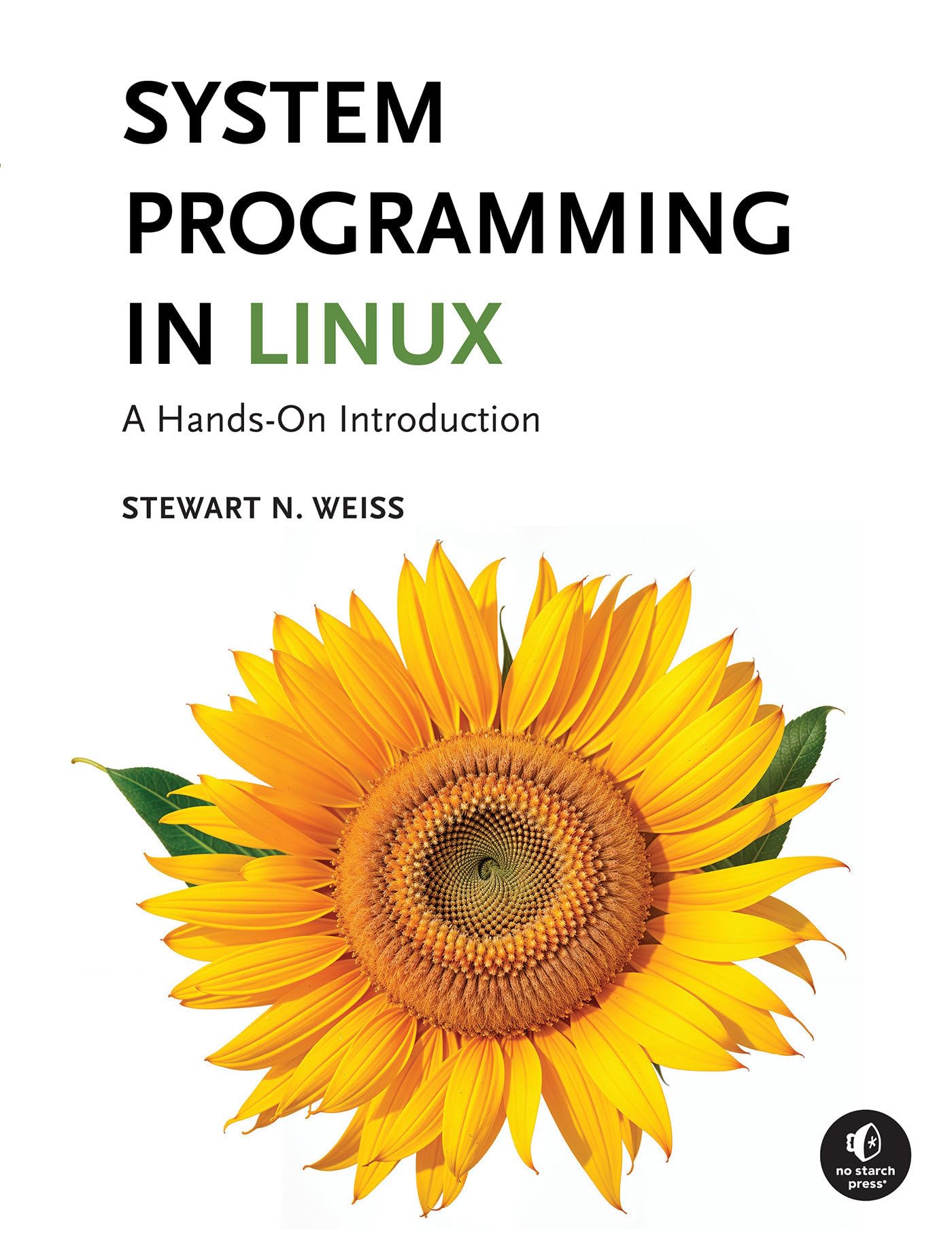
If you’ve been wanting to dive deep into the world of Linux system programming but felt intimidated by the steep learning curve, this massive 1000+ page gem from No Starch Press is exactly what you need. “System Programming in Linux” delivers on its promise of being a truly hands-on introduction to a complex subject.
What sets this book apart is how it balances depth with accessibility. As someone who struggled with piecing together Linux system programming concepts from scattered online resources and incomplete tutorials, I found the structured approach here refreshingly comprehensive. The author doesn’t just tell you what to do—they explain the why behind each concept, which is important for anyone serious about mastering Linux.
The hands-on exercises are the real star of the show. Instead of drowning you in theory before letting you touch any code, the book gets you writing actual system programs early on, gradually building your confidence as you tackle increasingly complex challenges. I particularly appreciated how the examples reflect real-world scenarios rather than contrived academic exercises.
This isn’t a light weekend read (it’s over a thousand pages for a reason), but it is ideal for self-paced learning. The book assumes some basic programming knowledge but doesn’t expect you to be a Linux wizard from the start. If you’re a computer science student, a developer looking to understand what’s happening “under the hood,” or an IT professional wanting to level up your Linux skills, you’ll find tremendous value here.
The early readers giving this a ideal 5-star rating aren’t exaggerating—it’s that good. Just be prepared to commit some serious time to work through the material. Your investment will pay off whether you’re aiming to write efficient system software, understand OS internals, or just become a more well-rounded developer in the Linux ecosystem.
Fair warning though: once you start understanding the elegant design of Linux system programming, you might find yourself becoming one of those enthusiasts who can’t stop talking about file descriptors and memory management at parties. Ponder yourself warned!