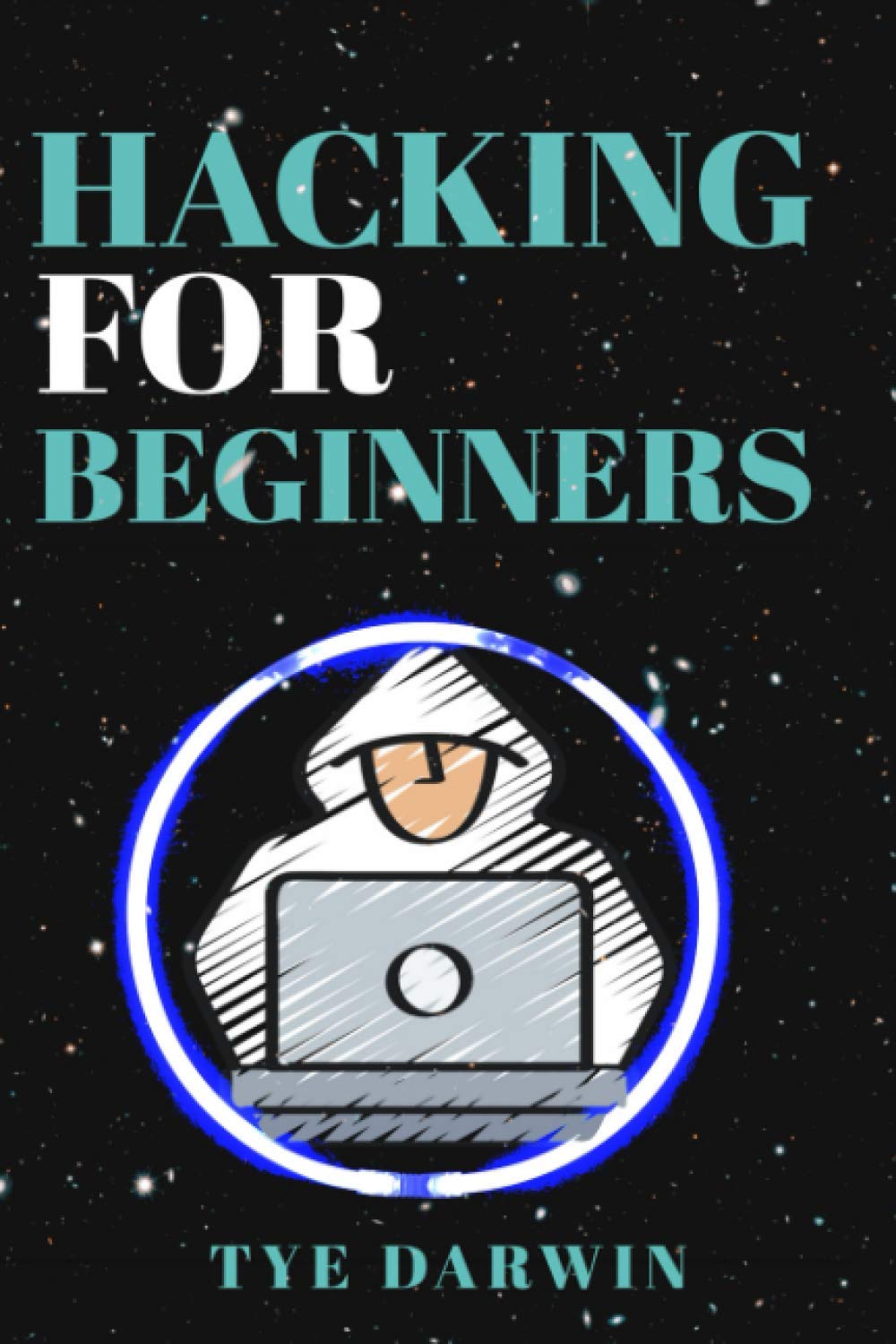
Ever been curious about what hackers actually do? This book takes all the mystery out of the process and serves it up in a surprisingly digestible format for complete beginners. As someone who’s dabbled in IT but never ventured into the hacking world, I found “Hacking for Beginners” delivers exactly what it promises – a genuine starting point for newcomers to penetration testing.
The guide walks you through setting up Kali Linux (the hacker’s operating system of choice) without assuming you already know what you’re doing. That alone makes it worth checking out if you’ve been intimidated by other tech books that jump straight into the deep end. The author explains complex concepts using everyday language, which is refreshing in a field that loves its jargon.
What I particularly appreciated was the ethical framework established early on. This isn’t about causing chaos – it’s about understanding vulnerabilities so they can be addressed. The book strikes a good balance between technical detail and practical application, showing how to test both websites and wireless networks for weaknesses.
Is it comprehensive enough to make you an expert? Not by a long shot. But that is not really the point. It is designed to give you enough knowledge and confidence to continue learning on your own. Think of it as your first stepping stone into a much larger world of cybersecurity.
Fair warning though – some sections feel a bit rushed, and you’ll definitely need to supplement this with online tutorials for certain tools. But as a roadmap for beginners looking to potentially build skills that are increasingly in demand, it serves its purpose well.
Ideal for: IT enthusiasts wanting to explore ethical hacking, cybersecurity students needing a practical introduction, or anyone curious about how systems get compromised. Just remember – with great power comes great responsibility!


