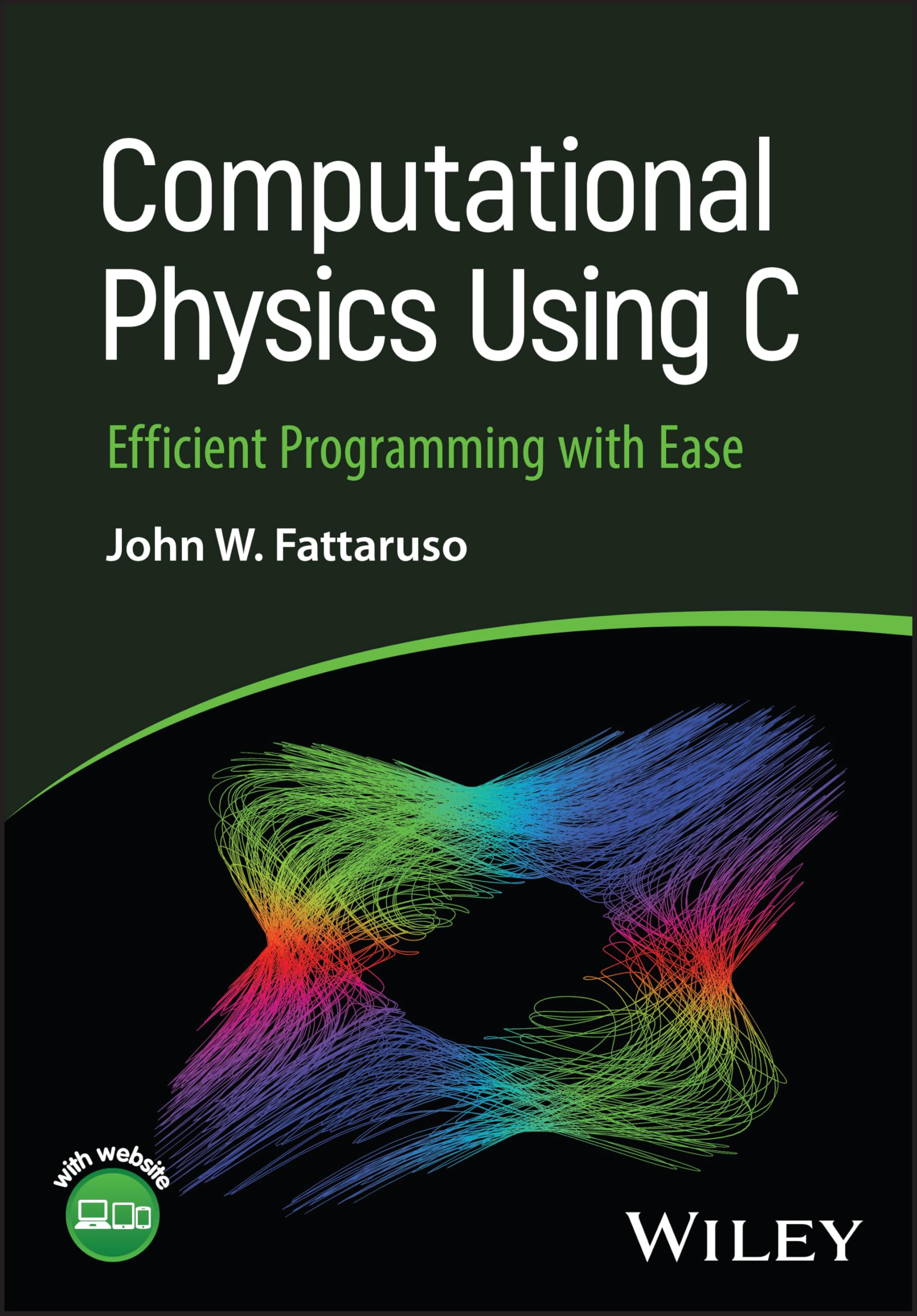
If you’ve ever found yourself drowning in MATLAB code or struggling with Python’s quirks while trying to simulate physical systems, this book might just be your new best friend. “Computational Physics Using C” takes a refreshingly practical approach to a subject that often feels unnecessarily complex.
As someone who’s battled with computational physics problems for years, I appreciate how this book embraces C programming—a language that gives you both power and control without the bloat. The author clearly understands the frustrations of physicists who just want their simulations to run efficiently without becoming software engineers in the process.
What stands out is how the book makes C programming accessible. Rather than dwelling on abstract computer science concepts, it focuses on the actual physics problems you’re trying to solve. The examples aren’t just academic exercises; they’re the kind of simulations you’d actually implement in research or advanced coursework.
Physics and engineering students will find this particularly valuable when tackling problems that require serious computational horsepower. The book doesn’t just show you how to code solutions—it teaches you how to make them fast and efficient, which matters when you’re running complex simulations.
Fair warning though: this isn’t “Baby’s First Programming Book.” You’ll need some basic familiarity with programming concepts, but the C-specific knowledge is built from the ground up with physicists in mind. It is the ideal bridge for those coming from other languages or platforms.
Bottom line: if you’re serious about computational physics and tired of watching your simulations crawl along or fighting with high-level language limitations, this book offers a pathway to programming liberation without requiring you to become a C guru. Definitely worth a spot on your shelf if you regularly tackle physics problems that make your computer fan spin up.