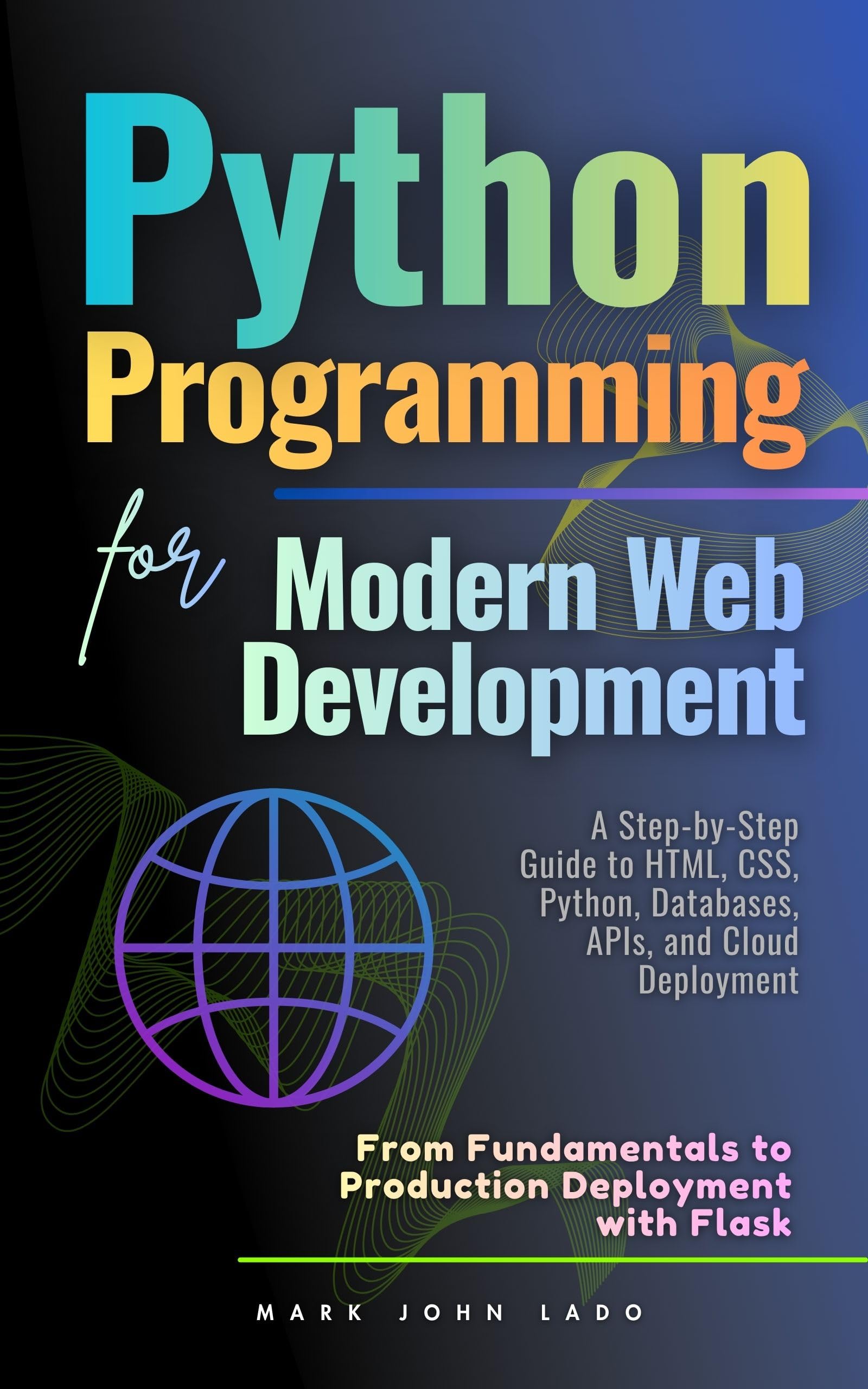
If you’re looking to break into Python web development without drowning in confusing tutorials or piecing together fragmented online resources, this book is a serious game-changer. I’ve gone through countless programming guides, but “Python Programming for State-of-the-art Web Development” stands out for actually taking you through the entire journey—from Python basics to deploying your own web applications.
What I love most is how the book structures the learning path. It doesn’t just teach you Flask; it builds your foundation in Python first, then eases you into web fundamentals before diving into the framework. This approach means you’re not just copying code—you actually understand what you’re building.
The progression through databases, APIs, authentication, and security is particularly valuable. Most tutorials skip these “real-world” components, leaving you stranded when trying to build anything beyond a basic demo app. Here, you’re learning production-ready skills from the start.
For beginners worried about the learning curve—don’t be. The book breaks everything into digestible chunks and builds on concepts gradually. If you’ve tried and failed to learn web development before, this methodical approach might be exactly what you need.
The section on deployment is worth its weight in gold. So many resources leave you hanging with a locally-functioning app and no clue how to get it online. This guide walks you through deployment on multiple platforms (Render, Railway, PythonAnywhere), which is incredibly practical.
I’d especially recommend this to three types of people: complete beginners who want a structured path into web development, Python developers looking to expand into web applications, and developers from other languages wanting to add Python/Flask to their toolkit.
The capstone project ties everything together beautifully—you’ll actually build a complete application from scratch to deployment. This hands-on experience is invaluable for cementing your knowledge and giving you something concrete for your portfolio.
Fair warning: at 22 chapters across ten parts, this isn’t a quick weekend read. But the comprehensive coverage means you won’t need to supplement with other resources to fill knowledge gaps. For anyone serious about learning Python web development the right way, that is about as complete a resource as you’ll find.


