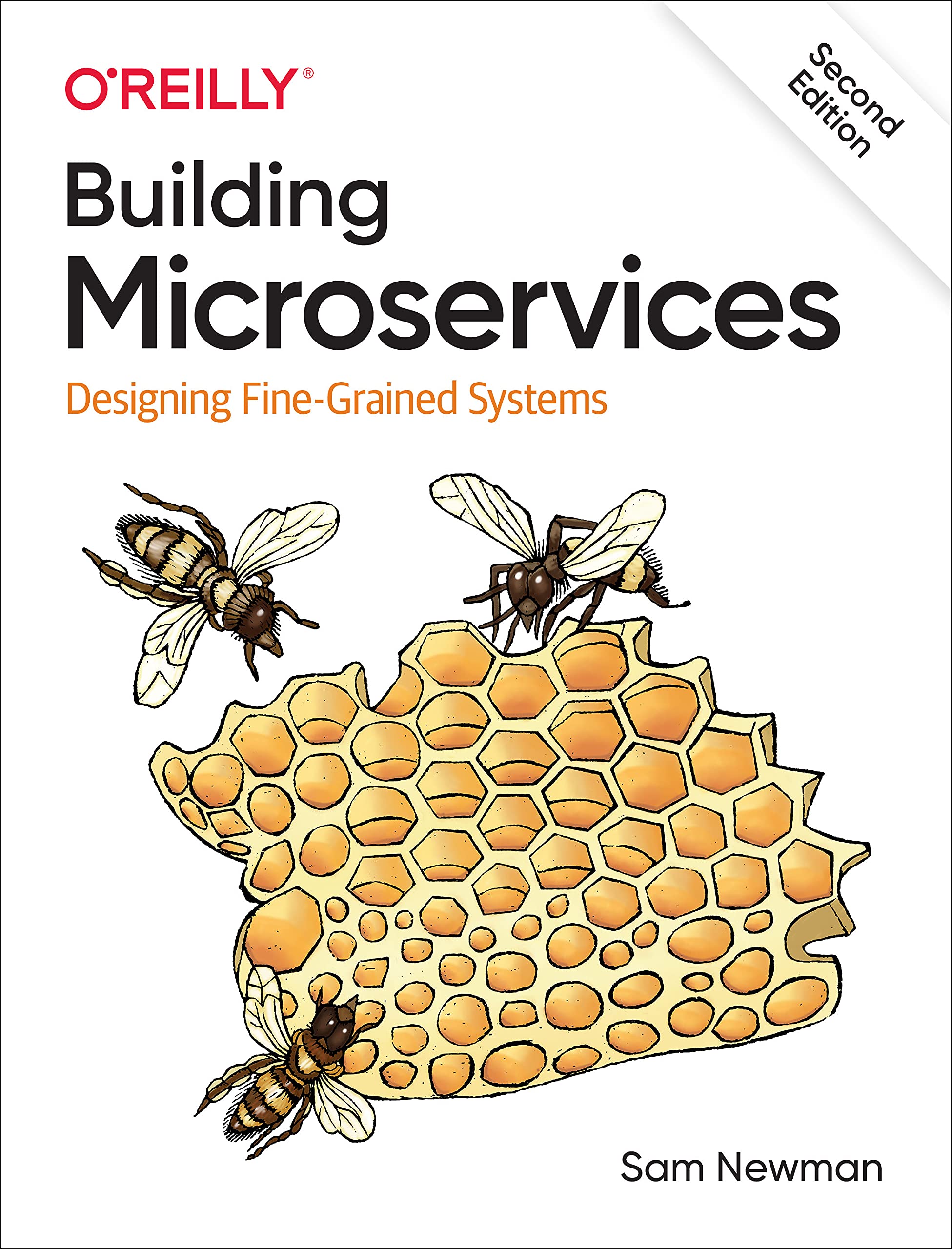
If you’re navigating the complex world of contemporary software architecture, Sam Newman’s “Building Microservices” is pretty much essential reading at this point. This second edition takes everything great about the original and expands it with fresh perspectives that reflect how microservices have evolved since the first edition dropped.
What I love about Newman’s approach is how he doesn’t just evangelize microservices as some magical solution to all your problems. Instead, he’s refreshingly honest about when they make sense and—just as importantly—when they don’t. The book walks you through decomposing monoliths, designing effective service boundaries, and implementing communication patterns between services without getting lost in theoretical jargon.
The real-world examples sprinkled throughout make abstract concepts click in a way that purely academic explanations never could. Newman clearly draws from hard-won battle scars, sharing insights on security, deployment strategies, and testing that will save you from making painful mistakes.
This new edition dives deeper into modern cloud-native patterns, event-driven architectures, and containerization—all the stuff that’s become standard since the first edition. The sections on observability and monitoring are particularly valuable as they address one of the biggest challenges in distributed systems: figuring out what’s happening when things go wrong.
This isn’t a light read at 600+ pages, but it’s worth every minute. It is written for practitioners who need practical advice rather than theoretical perfection. Whether you’re an architect planning a microservice migration, a developer trying to understand why your team is breaking apart that monolith, or a tech lead who needs to implement these patterns effectively, you’ll find yourself dog-earing pages and returning to Newman’s advice repeatedly.
Fair warning though: if you’re looking for a quick “microservices for dummies” guide or copy-paste code examples, this isn’t it. This is a thoughtful exploration of architecture that requires you to think deeply about your specific context. But for teams serious about building resilient, maintainable distributed systems, this book is gold.


