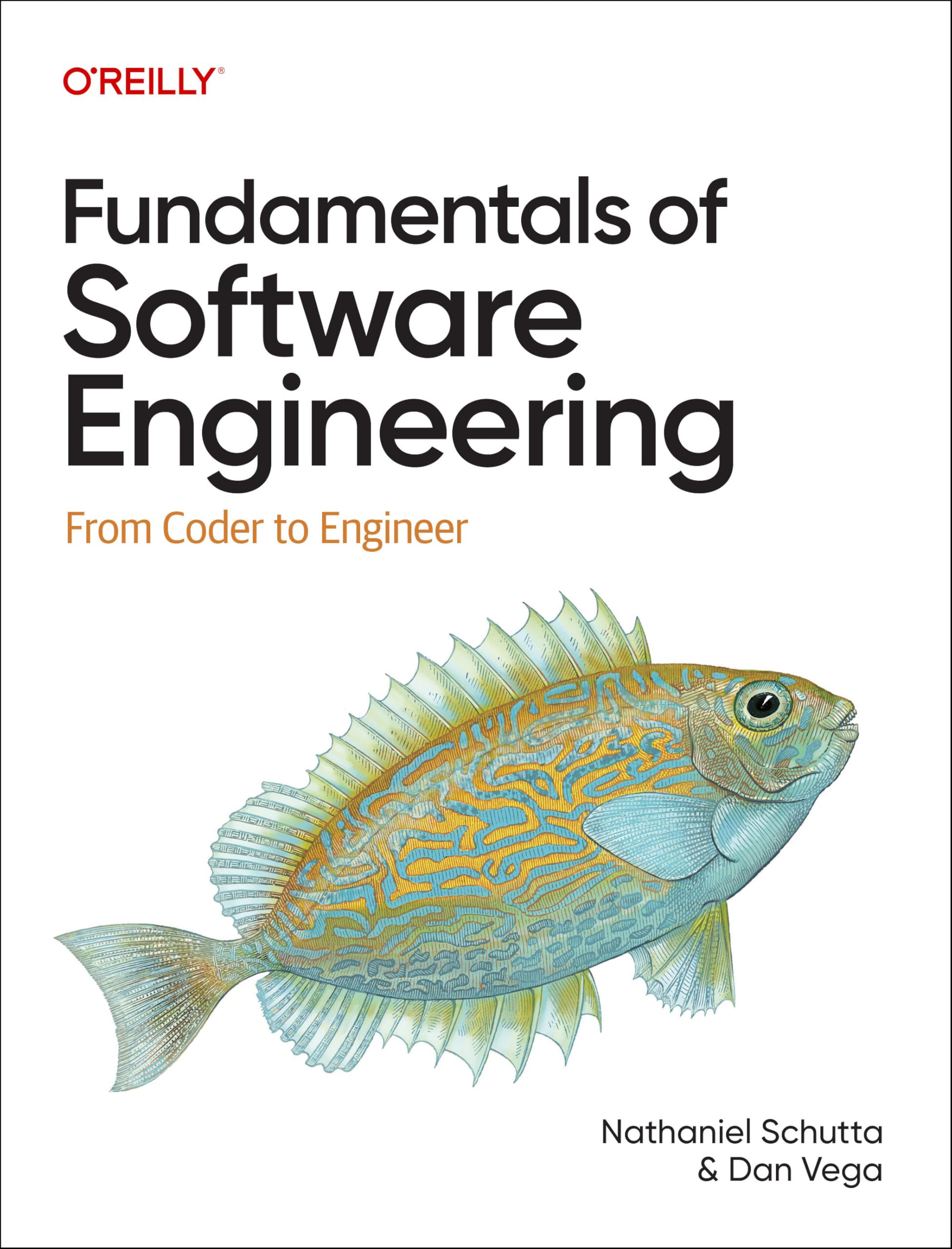
Ever found yourself drowning in code but feeling like there’s some secret sauce to becoming a “real” software engineer that no one’s telling you? That is exactly the gap this O’Reilly book fills. “Fundamentals of Software Engineering: From Coder to Engineer” does what it says on the tin – it takes you on that crucial journey from someone who can write code to someone who can engineer software systems.
I wish I had this book when I was starting out! It strikes that perfect balance between theoretical concepts and practical application that O’Reilly books are known for. At 404 pages, it’s substantial without being overwhelming, covering everything from design patterns to system architecture to the soft skills that separate the great engineers from the merely good ones.
This is definitely not for complete beginners still figuring out their first for-loops. But if you’ve got some coding experience under your belt and you’re wondering “what next?” – that is your roadmap. It is particularly valuable for self-taught programmers or bootcamp grads who might have strong coding skills but gaps in their foundational engineering knowledge.
What I particularly appreciated was how it addresses both the technical and human aspects of software engineering. Writing code is just one piece of the puzzle; understanding requirements, collaborating effectively, and thinking about maintainability and scalability are what truly level you up.
The writing style is refreshingly accessible for such technical content. You won’t find the dry, academic tone that makes so many software engineering textbooks a chore to get through.
Fair warning though – this isn’t a quick read. It’s the kind of book you’ll want to work through methodically, perhaps even alongside your daily coding practice to reinforce the concepts. But stick with it, and you’ll find yourself thinking differently about your code and your role in creating software.
Bottom line: If you’re serious about evolving from someone who can write code that works to someone who can design, build, and maintain software systems that last, this book deserves a spot on your shelf (or in your Kindle).


